A Practical and Authoritative Guide to Prepaid International eSIMs in 2026

Mobile data has become one of the essential tools of modern life. In 2026, people rely on seamless connectivity for work, travel, communication, entertainment, and daily routines. As digital habits expand and users move more freely between locations, the technology behind mobile connectivity has evolved. One of the most significant changes is the widespread adoption of prepaid international eSIMs, which provide flexible, contract-free data across countries and devices.
For years, users depended on physical SIM cards, complex roaming rules, or long-term carrier plans. Prepaid international eSIMs now offer a digital-first alternative that matches the way people live today. This guide explains how these eSIMs work, why they have grown rapidly in 2026, and how to choose the right plan for different needs.
What Exactly Is a Prepaid International eSIM
An eSIM is an embedded SIM built directly into a device. Instead of inserting a physical SIM card, users activate a digital profile by scanning a QR code or entering activation details. A prepaid international eSIM works across multiple countries without requiring a subscription or long-term agreement.
Once installed, the eSIM profile stays on the device permanently. Users can add data plans, switch regions, and top up whenever needed. This flexibility makes prepaid international eSIMs ideal for travelers, remote workers, frequent regional movers, and anyone who prefers a simple, user-controlled data experience.
To explore global connectivity options, users can visit the International Data eSIM page.
Why Many Users Are Moving Away from Traditional Mobile Plans
Traditional mobile plans are built around long-term contracts, fixed usage rules, and limited adaptability. In a world where people work remotely, travel frequently, and depend on multiple connected devices, these plans feel increasingly restrictive.
Several trends have pushed users toward prepaid international eSIMs:
- Remote and hybrid work - People move between homes, offices, coworking spaces, hotels, and public venues. Flexible data supports this fluid lifestyle better than fixed local plans.
- More devices need data - Tablets, laptops, wearables, and mobile hotspots increasingly support eSIM activation.
- Subscription fatigue - Many users prefer reducing recurring monthly charges and buying data only when needed.
- Evolving travel patterns - Regional trips, extended stays, and multi-country travel make prepaid solutions easier than juggling local SIM cards.
- Transparent pricing - Prepaid data eliminates roaming uncertainty and unexpected fees.
Device Compatibility Has Expanded Dramatically
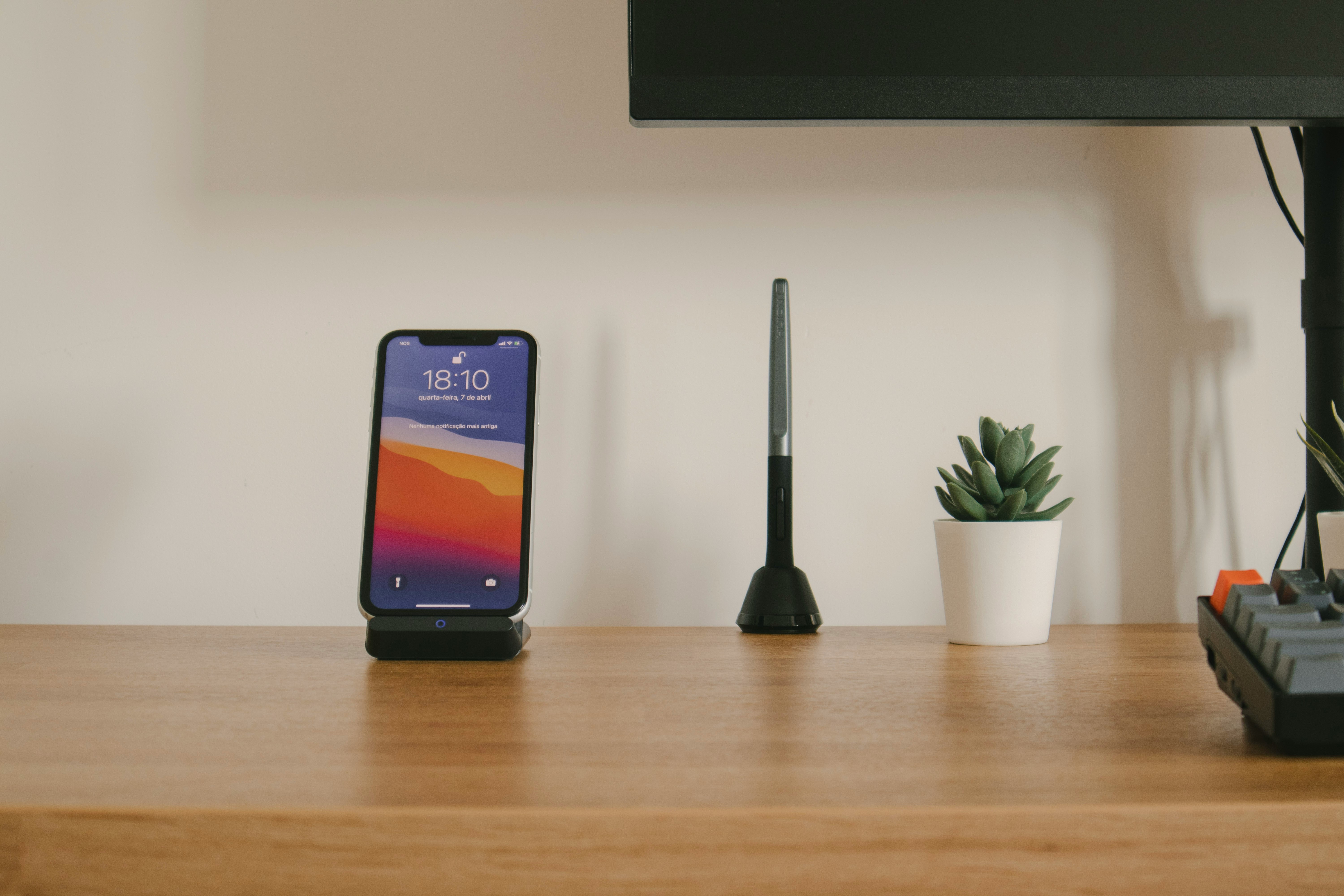
In 2026, eSIM support is widespread. Many flagship smartphones no longer include a physical SIM tray. Tablets and ultra-portable laptops also integrate eSIM functionality as standard.
Before purchasing a plan, users should confirm device compatibility by reviewing settings or checking the manufacturer’s page. Most new devices support eSIM activation, especially premium or recent-generation models.
How Prepaid International eSIM Activation Works
One reason prepaid eSIMs are growing quickly is the simplicity of activation. While steps vary slightly by provider, the general process is straightforward:
- Select a prepaid data plan.
- Complete the purchase and receive activation details.
- Scan the QR code using the device’s eSIM menu.
- Wait for the device to download the eSIM profile.
- Switch to the eSIM when ready to use mobile data.
Once installed, the eSIM remains on the device and can be reused for future top-ups.
Everyday Situations Where Prepaid eSIMs Make Sense
Prepaid international eSIMs are useful in many real-world scenarios beyond travel.
- Remote work - A prepaid eSIM provides a stable backup when Wi-Fi is unreliable or during outages.
- Backup connectivity - Users often rely on prepaid eSIMs when traditional internet experiences interruptions.
- Multi-device workflows - Laptops, tablets, and hotspots can run independently without tethering to a phone.
- Extended international stays - Students, consultants, and long-term travelers benefit from easy, contract-free data.
- Frequent regional travel - A single eSIM profile may offer coverage across dozens of countries.
Unlimited Data vs Fixed Data: Understanding the Options
Most prepaid international eSIM providers offer two types of plans: unlimited data and fixed high-speed data. Choosing the right one depends on how the user plans to stay connected.
Unlimited Data Plans
Unlimited plans offer simple, always-on connectivity without worrying about usage. They include a daily high-speed allowance based on the selected tier and then continue at managed speeds to support essential apps.
Unlimited plans work well for:
- Maps and navigation
- Messaging and chat apps
- Email and productivity tools
- Social media browsing
- Everyday mobile use
Fixed High-Speed Data Plans
Fixed plans provide full-speed 5G, 4G, and LTE for the duration of the allowance. They are ideal for users who need guaranteed high performance.
Fixed plans are best suited for:
- Video calls and conferencing
- High-definition streaming
- Cloud-based work and file sharing
- Uploading or sharing content
- Tethering multiple devices
How Coverage Works Across Regions and Countries

One of the biggest advantages of prepaid international eSIMs is multi-country coverage. A single profile allows users to move between countries without swapping SIM cards or adjusting device settings. The eSIM automatically connects to supported carrier networks based on location, making mobility seamless.
Coverage is built on roaming partnerships between eSIM providers and local carriers. These partnerships determine which networks a device can access, the quality of service, and how quickly the connection transitions between regions. In many destinations, eSIM users benefit from access to more than one carrier, allowing the device to switch to a stronger or more stable signal when available.
When entering a new country, most devices will connect automatically, but it is common for users to perform a quick network refresh, such as toggling airplane mode off and on or rebooting the device. This helps the device re-establish its radio connection, detect updated network identifiers, and attach to the strongest available local network. While not required in every situation, this step is considered good practice when crossing borders or when connectivity does not appear immediately.
Users can choose from several coverage models:
- Global plans - Include broad coverage across many countries and are ideal for long-term or multi-region travel.
- Regional plans - Focus on specific areas like Europe, South America, or Asia-Pacific, often providing better value for users staying within the same region.
- Country-specific plans - Offer precise coverage for users who expect to remain in one location for the duration of their trip.
Network availability can vary based on geography, infrastructure, and population density, so reviewing the list of supported networks helps set expectations. Fair usage guidelines also clarify how unlimited data is managed across different partner networks.
For additional clarity, users can review unlimited data guidelines in the Fair Usage and Expiry Policy.
How to Choose the Right Plan: A Practical Decision Framework

Selecting the right prepaid international eSIM plan depends on personal habits and how a user expects to stay connected. A simple decision framework can help narrow down the options.
- Daily data usage - Light users may prefer unlimited plans for convenience, while heavier users may benefit from fixed high-speed plans.
- Type of activities - Video calls, streaming, and cloud tools tend to work best on fixed high-speed allowances.
- Number of countries visited - Single-country plans work for one destination, while regional or global plans suit multi-country trips.
- Activation flexibility - Prepaid plans allow users to activate data only when needed, which is useful for short trips or seasonal usage.
- Device ecosystem - Users with multiple eSIM-enabled devices may want independent access on phones, tablets, and laptops.
- Tethering and hotspot usage - High-performance tasks and multi-device sharing may feel smoother on fixed plans.
The more a user depends on consistently fast data, the more a fixed plan becomes the preferred choice. Unlimited plans work well for general everyday connectivity and simple app usage.
The Future of Prepaid International Data
The future of mobile connectivity is moving toward a fully digital, software-driven model. As physical SIM trays continue to disappear from new devices, prepaid international eSIMs will play an increasingly central role in everyday connectivity.
A major area of innovation is intelligent network switching. Future eSIM systems may incorporate smarter algorithms that help devices automatically connect to the most stable or fastest available network in each region, making connectivity more consistent across changing environments.
Another trend is the rise of region-optimized bundles. These bundles anticipate common travel routes or seasonal patterns, such as multi-country work assignments or popular travel corridors, giving users more precise options tailored to their needs.
Improved data management tools are likely to enhance the user experience as well. Dashboards may offer real-time usage analytics, predict upcoming needs, or suggest optimal plan types based on past behavior. As eSIM adoption expands beyond smartphones into tablets, wearables, and connected transportation, prepaid international data will support a wider range of personal and professional devices.
Future activation processes may rely less on QR codes and more on secure digital identity or built-in authentication methods. As this ecosystem grows, prepaid international eSIMs will remain an important part of how people connect across borders, networks, and devices.
Final Thoughts
Prepaid international eSIMs offer a modern, adaptable way to stay connected in 2026. They support a wide range of routines, from remote work to global travel, and provide users with more control than traditional plans. As digital lifestyles expand and more devices adopt eSIM technology, prepaid international data is becoming a core part of everyday connectivity.
Frequently Asked Questions
Q: What is a prepaid international eSIM?
A: A prepaid international eSIM is a digital SIM profile that lets you connect to mobile data across multiple countries without inserting a physical SIM card or signing a contract.
Q: Do I need to remove my physical SIM card to use an eSIM?
A: No. Most devices support using a physical SIM and an eSIM at the same time. You can select which one handles mobile data in your device settings.
Q: Will my eSIM connect automatically when I enter a new country?
A: In most cases, yes. If it doesn’t connect right away, toggling airplane mode or restarting your device helps refresh the network when crossing borders.
Q: What’s the difference between Unlimited Data Plans and Fixed Data Plans?
A: Unlimited Plans offer daily high-speed allowances followed by managed speeds for essential use. Fixed Data Plans provide full high-speed 5G/4G/LTE until your selected allowance is used.
Q: Which plan type is better for video calls and streaming?
A: Fixed high-speed plans usually perform better for video calls, cloud work, and HD streaming because they offer consistent full-speed data.
Q: How do I know if my device supports eSIM?
A: Most modern smartphones, tablets, and some laptops support eSIM. You can check your device settings or the manufacturer’s website for confirmation.
Q: Can I use the same eSIM plan on multiple devices?
A: No. Each eSIM profile is tied to one device. If you want data on multiple devices, you’ll need to activate separate eSIM plans.
Q: Does a prepaid international eSIM allow hotspot and tethering?
A: Yes. Hotspot and tethering are supported on most prepaid eSIM plans, depending on network conditions and the plan type.
Q: Do prepaid international eSIMs expire?
A: Yes. Each plan has a set validity period. Once activated, your plan remains active for the duration listed in the plan details or expiry policy.
Q: Are eSIMs secure to use?
A: Yes. eSIM profiles use the same security standards as physical SIM cards and are stored safely within your device.