eSIM Compatible Phones: Unveiling the Future of Connectivity and Device Compatibility
eSIM technology is a major step forward in mobile connectivity, changing how we use our devices. Unlike the traditional SIM cards that we're used to, an eSIM (which stands for embedded SIM) is built right into your phone. This means you don’t have to deal with those tiny, easy-to-lose physical SIM cards anymore.
For decades, we've been using physical SIM cards, which came in various sizes and had to be inserted into our phones. eSIMs take away this physical aspect. Now, everything is done digitally, making things a lot simpler and more convenient. You can choose a mobile carrier and plan right from your phone’s settings, without needing a physical card.
eSIMs are more than just a convenience; they also open up new possibilities for phone designs. Without the need for a special slot for a SIM card, phone makers have more freedom to create slimmer and more durable designs. This could mean our future phones might be even thinner and tougher than they are now.
This technology isn't just for phones. It's being used in all sorts of devices like smartwatches, tablets, and even in the Internet of Things (IoT) devices, which are everyday objects connected to the internet. eSIMs help these devices stay connected in an easier and more streamlined way.
eSIM technology is making our devices simpler to use, giving us more flexibility, and even helping in the design of sleeker, more advanced gadgets. As eSIMs become more common, they're likely to become a key part of how we stay connected.
Advantages of eSIM over Traditional SIM Cards

One of the most notable advantages of eSIMs, compared to local SIM cards, is the convenience they offer. Unlike physical SIM cards, which require users to physically swap cards when changing carriers or traveling abroad, eSIMs allow users to switch carriers or plans directly from their device's settings. This feature is particularly beneficial for frequent travelers, who can now avoid the hassle of purchasing local SIM cards in each country they visit. Additionally, eSIMs enable users to manage multiple accounts or phone numbers on a single device, simplifying the use of personal and business lines without carrying two separate phones.
eSIM technology also enhances device security. Traditional SIM cards can be removed or swapped, potentially leading to security vulnerabilities. With eSIMs, the user's information is embedded within the device, making it more difficult for unauthorized users to tamper with or access the data stored on the SIM. This embedded nature offers a higher level of security, especially crucial in an era where mobile devices increasingly store sensitive personal and professional information.
Environmental benefits are another significant advantage of eSIMs. The shift from physical SIM cards to digital SIMs reduces the need for plastic and electronic waste associated with traditional SIM card production and disposal. This change aligns with the growing global emphasis on sustainability and reducing the ecological footprint of technology.
eSIMs offer the potential for innovative device design. Without the need for a physical SIM card slot, manufacturers have more freedom in designing devices. This could lead to slimmer, more compact designs, and potentially more robust devices as there are fewer openings or components that can be compromised.
How eSIM Works in Mobile Phones
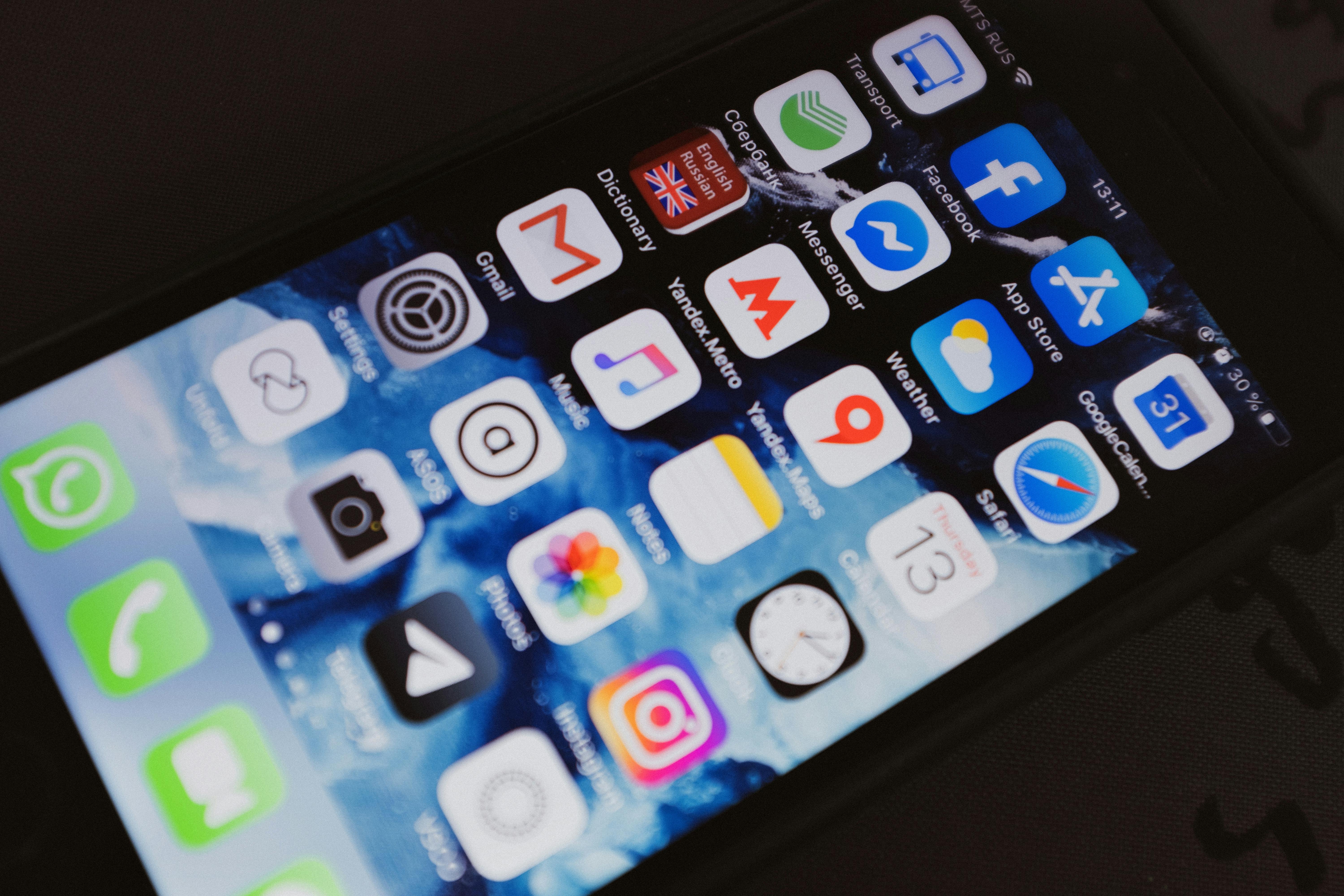
Unlike traditional SIM cards, an eSIM is a small, built-in chip that's soldered directly onto a phone's motherboard. It functions similarly to a regular SIM card, storing the user's subscription information and connecting the phone to a cellular network. However, the process of activating and using an eSIM is what sets it apart.
To activate an eSIM, users typically scan a QR code provided by their mobile carrier. This code downloads a profile onto the eSIM, linking the phone to the carrier's network. Some carriers also allow users to download eSIM profiles directly through their apps. This digital process eliminates the need for physical SIM cards and makes switching between carriers or plans as easy as changing settings on your phone.
Compatibility with network providers is crucial for eSIM technology. Most modern carriers support eSIM, but there are variations in availability and service based on geographic location and network infrastructure. Users need to check with their carriers about eSIM support and compatibility, especially when traveling internationally.
One significant advantage of eSIM is its ability to store multiple profiles. This means users can have several accounts or phone numbers from different carriers on a single device. For instance, a user can have a personal and a business number, or separate domestic and international plans, all on the same phone. Switching between these profiles can be done with a few taps in the phone’s settings, offering unparalleled flexibility and convenience.
List of Popular eSIM Compatible Phones

As eSIM technology gains traction, an increasing number of smartphones are embracing this innovation. Here is an overview of some of the popular eSIM compatible phones, highlighting their key features and how they leverage eSIM technology.
- Apple iPhone Series (Starting from iPhone XS): Apple has been a frontrunner in adopting eSIM technology. Starting with the iPhone XS and continuing through the latest models, these iPhones support dual SIM functionality with one physical SIM and one eSIM. This feature is especially beneficial for users who want to separate personal and work lines or for those who frequently travel. The seamless integration of eSIM in iPhones allows for easy switching between different carrier plans and enhances the overall user experience.
- Samsung Galaxy S Series (Starting from Galaxy S20): Samsung introduced eSIM support with its Galaxy S20 series. These Android-based smartphones offer a combination of eSIM and physical SIM capabilities, allowing for greater flexibility in network choices. Samsung’s implementation of eSIM technology is particularly user-friendly, with intuitive settings that make managing multiple accounts straightforward.
- Google Pixel Series (Starting from Pixel 2): Google has been another early adopter of eSIM technology. The Pixel series, starting from Pixel 2, supports eSIM, which works seamlessly with Google’s own Project Fi network as well as other carriers. Pixels with eSIM make it easy to maintain active service with multiple carriers, a feature highly appreciated by users who prioritize connectivity and convenience.
- Motorola Razr 5G: The Motorola Razr 5G is notable for its unique foldable design and its eSIM-only approach. This device eschews the physical SIM card slot entirely, relying solely on eSIM technology. This design choice underscores the potential for eSIM technology to influence future smartphone designs, paving the way for more innovative form factors.
- Huawei P40 Series: Huawei's P40 series offers eSIM support alongside traditional SIM card slots. These phones are known for their exceptional camera capabilities and the integration of eSIM technology adds to their appeal, especially for users looking for a device that balances advanced features with connectivity options.
Each of these smartphones demonstrates how eSIM technology is being integrated into different brands and models, catering to various user preferences and needs and creating the ability to switch carriers and manage multiple accounts easily without the need for physical SIM cards.
User Experience: Real-World Applications of eSIM Phones

For international travelers, the ability to switch to a local network provider without the need for a physical SIM card removes a significant hurdle. Travelers can now avoid roaming charges and the inconvenience of finding and installing a local SIM card upon arrival in a new country. Instead, they can simply select and subscribe to a local plan digitally, ensuring uninterrupted connectivity from the moment they land.
Business professionals also benefit greatly from eSIM technology. The flexibility to have multiple numbers and network plans on the same device is invaluable for those who manage separate work and personal contacts. This dual capability eliminates the need to carry two phones, simplifying the life of busy professionals. The ease of switching between network providers ensures that they remain connected, irrespective of their location, which is crucial for professionals who travel frequently for work.
For the everyday consumer, eSIM compatible phones offer a blend of convenience and efficiency. Managing mobile plans becomes a simpler, more streamlined process, with the ability to compare and switch between carriers right from the phone’s settings. This flexibility can also lead to cost savings, as consumers can more easily take advantage of competitive plans and offers from different carriers.
eSIM technology enhances the overall digital experience for users. For instance, it simplifies the process of connecting devices like smartwatches and tablets to cellular networks, allowing for a more integrated and seamless ecosystem of connected devices.
Expanding Horizons: eSIM Beyond Mobile Phones
The versatility of eSIM technology extends far beyond the realm of smartphones, marking its presence across diverse industries and devices. This expansion shows eSIM's flexibility and its potential to revolutionize how devices connect to networks.
In the world of wearables, eSIM has become a cornerstone feature, particularly in smartwatches. Devices like the Apple Watch and Samsung Galaxy Watch use eSIMs to offer cellular connectivity independent of a smartphone. This allows users to make calls, send texts, and use data directly on their watch, a feature ideal for fitness enthusiasts and individuals who prefer to leave their phones behind.
The automotive industry is also embracing eSIM technology. Modern vehicles equipped with eSIMs provide enhanced navigation, real-time traffic updates, and emergency services. This integration transforms cars into connected hubs, improving both driver experience and vehicle functionality.
eSIM is playing a crucial role in the Internet of Things (IoT). With eSIM, IoT devices such as security cameras, smart meters, and agricultural sensors can connect to cellular networks more efficiently, without the need for a physical SIM card. This connectivity is vital for remote monitoring and control, unlocking new possibilities in smart home technology, industrial automation, and beyond.
Considerations for a Connected Future through the eSIM Revolution

The transition to eSIM technology offers a wealth of opportunities, reflecting a positive shift in the telecommunications landscape.
A key consideration is the expansion of eSIM support across network providers globally. This development is not merely a technological upgrade; it signifies a move towards more unified and efficient global connectivity. As more providers embrace eSIM technology, users stand to benefit from enhanced flexibility and ease of access, especially beneficial for those who travel internationally.
Another important aspect is consumer education about eSIM. This presents an exciting opportunity to engage with users through informative and accessible content, helping them understand and make the most of eSIM technology.
Well-informed consumers can fully appreciate the advantages of eSIM, leading to a smoother transition and a better overall experience.
Investing in the necessary infrastructure to support eSIMs is a forward-thinking move for network providers. This investment paves the way for improved service quality, heightened security, and positions providers at the forefront of the digital evolution, ready to meet future demands.
The digital nature of eSIMs aligns perfectly with global sustainability goals. By reducing the need for physical SIM cards, eSIM technology contributes to environmental conservation, marking a significant step towards eco-friendly technology practices.
The move towards eSIM technology is a positive stride forward, heralding a new era of enhanced global connectivity, informed users, and sustainable practices in the world of telecommunications.
Conclusion: eSIM Compatible Phones

The rise of eSIM technology marks a significant milestone in the evolution of telecommunications. Offering unparalleled flexibility, enhanced security, and a streamlined user experience, eSIMs are set to redefine how we connect to networks and manage our digital lives. As this technology continues to be embraced by more devices and industries, it paves the way for a future where connectivity is more integrated, efficient, and accessible. The impact of eSIM technology extends beyond convenience, contributing to innovative device designs and promoting environmental sustainability. Ultimately, eSIM stands as a symbol of the ongoing transformation and modernization in telecommunications.
Discover the world of seamless global connectivity with WraptelDataSim's eSIM solutions – your key to effortless travel and communication.
Further reading
- ZDNet's article titled "eSIM vs SIM: What's the difference?" provides a detailed comparison between eSIM and traditional SIM cards, covering the key differences and potential benefits of eSIM technology. Read more on ZDNet.
- PCMag's explainer "What is an eSIM Card?" offers an easy-to-understand overview of what an eSIM is, how it works, and its implications for device connectivity and user convenience. Read the full explainer on PCMag.